Meččyniekan Syväin - Metsästäjän Sydän | karelian hobbyist pseudomanga comic artist from Finland | atheist | MBTI: ISTP-T type5 / type9
"vikings are closest character type to the Nordics in global pop-culture" (although the imago comes from the British Isles, not from the Nordics)
"Karelians of the Viking Age were better known as fur traders/hunters."
gimmick: strong connection to nordic-like winter culture
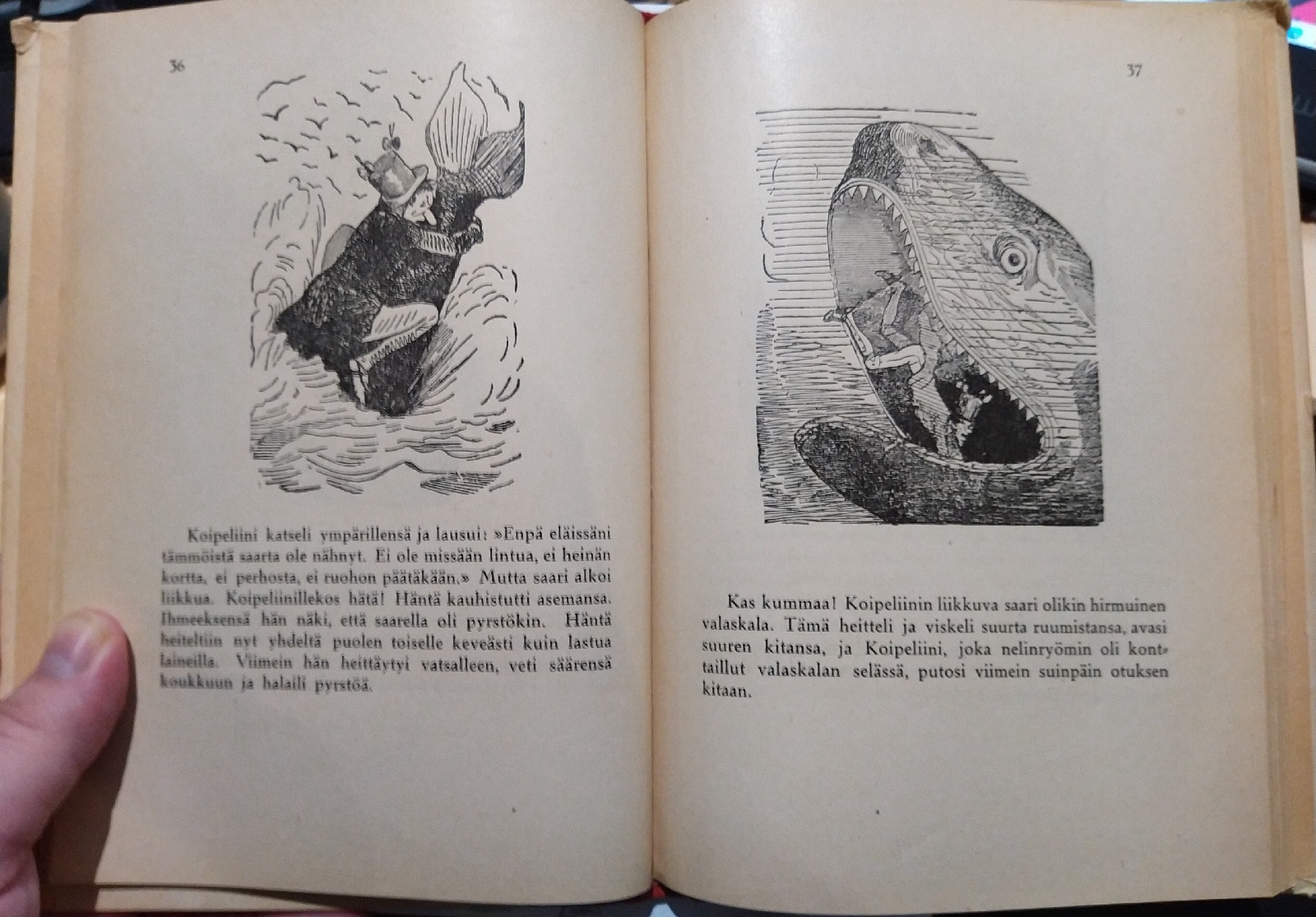
Histoire de Mr. Vieux Bois was created 1827 but first published 1837
"Rodolphe Töpffer: 31 January 1799 – 8 June 1846) was a Swiss teacher, author, painter, cartoonist, and caricaturist. He is best known for his illustrated books (littérature en estampes, "graphic literature"), which are possibly the earliest European comics. He is known as the father of comic strips and has been credited as the "first comics artist in history." - WIKI
in Finland: first published in finnish newspaper Sanomia Turusta 1857 and is also first comic strip in Finland
Draw inspiration from the robust and hardy physique of Karelian hunters, possibly integrating some aspects of Norn's stature from Guild Wars for a more imposing appearance.
Skills and Techniques:
Combine the hunting prowess and traditional techniques of Karelian hunters with the advanced technology and tactical skills of the Yautja (Predators).
Cultural and Ritualistic Aspects:
Infuse the deep cultural connection to hunting and nature from Karelian tradition with the honor-bound hunting rituals of the Yautja.
Technology and Weaponry:
Equip your character with a mix of traditional hunting tools like bows and traps, enhanced with advanced alien technology akin to the Yautja's plasma casters or Hirogen's energy weapons.
Environment and Habitat:
Place your character in a diverse environment, perhaps akin to the varied landscapes of Monster Hunter, where they navigate dense forests, icy tundras, and volcanic regions.
Motivation and Goals:
Blend the Karelian hunter’s quest for survival and cultural heritage with the Yautja's pursuit of honorable prey and the Hirogen's exploration and conquest motives from Star Trek.
Example Character Profile:
Name: Vakki Kormine
Background: Born of a secluded sect of Karelian hunters renowned for their mystical connection to the wilderness. Vakki’s tribe encountered remnants of an ancient alien race, adopting their advanced hunting technology and traditions.
Attributes:
Physical: Tall and muscular, bearing the endurance and strength of both Karelian and Norn ancestry.
Skills: Master of both traditional Karelian hunting methods and advanced alien weaponry, trained in tracking, stealth, and close combat.
Equipment:
Weapons: Dual plasma-infused blades for close combat, a wrist-mounted energy bow for ranged attacks.
Armor: Lightweight yet durable, incorporating elements of both natural hide and advanced alien alloys.
Motivation: To protect his homeland from encroaching threats while seeking worthy adversaries across diverse realms, honoring both his Karelian heritage and the honor codes of the alien race his tribe encountered.
This fusion allows for a character rich in depth, drawing from diverse cultural and technological influences, while retaining a unique identity rooted in the essence of hunting and survival.
Real-World Background: Karelians are an ethnic group native to the region of Karelia, which is divided between Finland and Russia. The term "Karelian hunters" refers to traditional hunters from this area, known for their skills in tracking and hunting in the dense forests and cold climates of Karelia.
Culture: Karelian hunters traditionally rely on knowledge passed down through generations. They use traditional methods and tools for hunting, such as bows, traps, and later firearms. Their hunting practices are deeply connected to their culture and way of life, often involving rituals and a deep respect for nature.
Skills: They are skilled in tracking, survival, and understanding animal behavior. Their expertise is honed by living in and adapting to the challenging environment of Karelia.
Origin:
Cultural Context: Karelians are an ethnic group from the Karelian Isthmus and regions around Lake Ladoga and Lake Onega, in modern-day Finland and Russia.
Hunting Tradition: Karelian hunters have a long tradition of hunting as part of their cultural heritage, utilizing knowledge passed down through generations.
Lifestyle and Practices:
Environment: They hunt in boreal forests and marshlands, relying on intimate knowledge of the local wildlife and terrain.
Tools and Methods: Traditional tools include bows, traps, and later firearms. They also use trained dogs for hunting.
Game: Typical game includes deer, moose, bear, rabbits, squirrels and various birds.
Cultural Significance:
Hunting is an essential aspect of the Karelian way of life, contributing to their diet, economy, and cultural traditions.
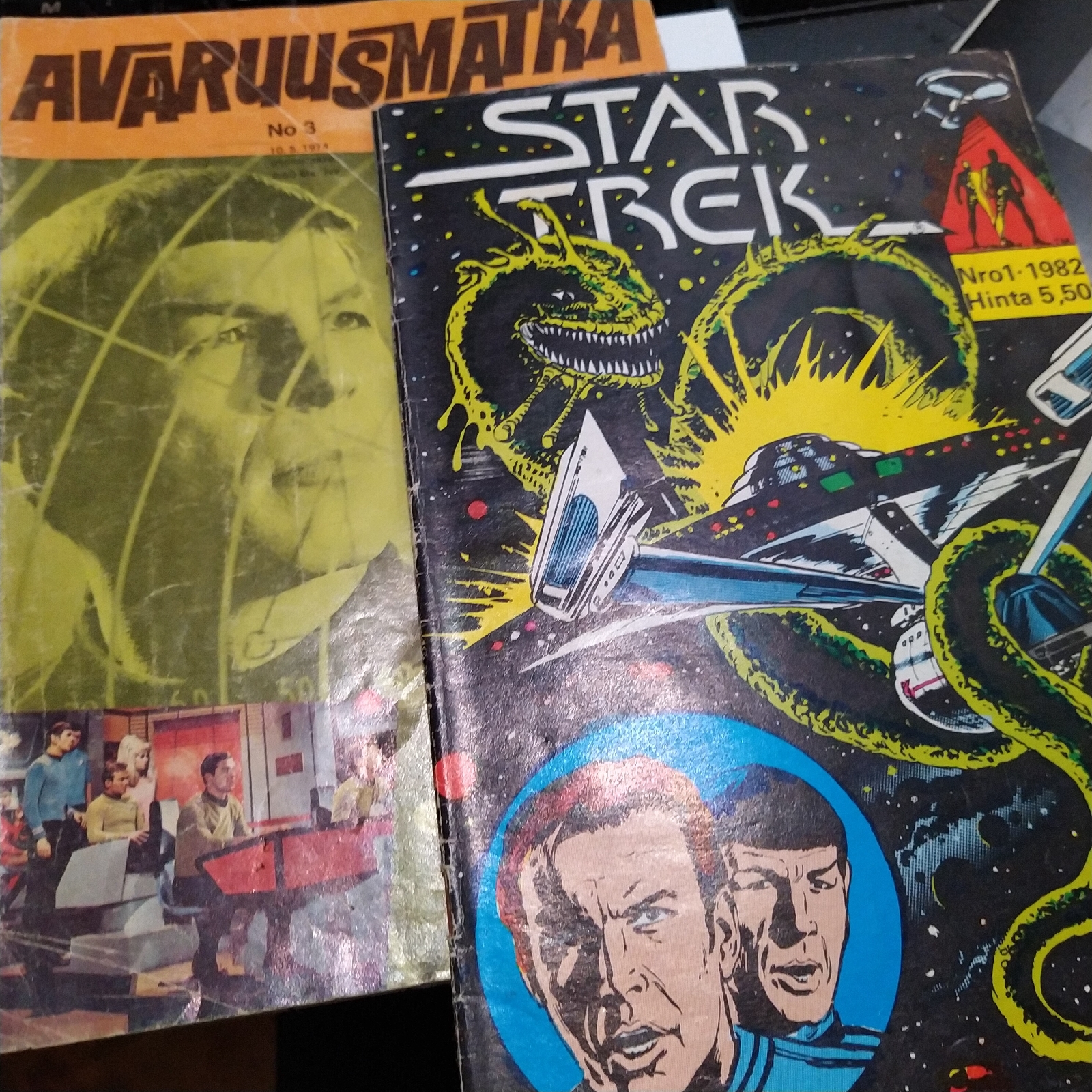
Hirogen (Star Trek)
Origin and Context:
Fictional Background: The Hirogen are a species in the Star Trek universe, specifically from the series "Star Trek: Voyager." They are a nomadic, predatory race that travels through space, hunting other species for sport and honor.
Culture: The Hirogen culture is entirely centered around the hunt. They see hunting as the highest form of achievement and often pursue dangerous and intelligent prey to prove their prowess. Their society is hierarchical, with the most skilled hunters holding the highest status.
Technology: Hirogen hunters use advanced technology, including starships, energy weapons, and sophisticated tracking devices. Their technology aids them in hunting across the vast expanse of space.
Behavior: They are often portrayed as ruthless and relentless, driven by a code of honor that revolves around the hunt. They seek worthy adversaries and are not bound by the same ethical considerations as many other species in the Star Trek universe.
Origin:
Fictional Context: The Hirogen are a fictional alien species in the "Star Trek: Voyager" series, known for their obsession with hunting.
Science Fiction Universe: They are depicted as nomadic and spread across vast areas of space.
Lifestyle and Practices:
Environment: Hirogen are space-faring and hunt across different planets and star systems.
Tools and Methods: They use advanced technology, including energy weapons, starships, and tracking devices. Their hunting practices are ritualistic and often brutal.
Game: They hunt a variety of species, including sentient beings, seeing the hunt as a way to prove their superiority and strength.
Cultural Significance:
Hunting is central to Hirogen culture, with a focus on the pursuit of prey as a means to achieve honor and prestige within their society. They collect trophies from their hunts, similar to the Yautja from the "Predator" franchise.
Key Differences
Origin and Context:
Karelian Hunters: Real-world ethnic group with cultural and historical significance.
Hirogen: Fictional alien species from the "Star Trek" universe.
Environment:
Karelian Hunters: Hunt in the natural landscapes of Northern Europe.
Hirogen: Hunt across various planets and star systems, adapting to diverse environments.
Technology and Methods:
Karelian Hunters: Use traditional and modern terrestrial tools such as bows, traps, and firearms.
Hirogen: Employ advanced alien technology, including energy weapons and starships.
Purpose and Motivation:
Karelian Hunters: Hunt primarily for food, tradition, and livelihood.
Hirogen: Hunt for sport, honor, and to prove their superiority, often targeting sentient beings.
Cultural Significance:
Karelian Hunters: Hunting is integrated into their way of life, with a deep connection to the natural environment.
Hirogen: Hunting is a central and all-consuming part of their culture, driving their societal structure and interactions with other species.
Summary
Karelian hunters and Hirogen share a fundamental emphasis on hunting, but their contexts, technologies, motivations, and cultural significances differ greatly. Karelians are rooted in real-world traditions and practices, while Hirogen are a fictional representation of an extreme hunting culture in the "Star Trek" universe.
Overlaps
Hunting as a Central Activity:
Both Karelian hunters and the Hirogen place significant emphasis on hunting. For Karelians, it is a means of sustenance and cultural practice. For the Hirogen, it is the core of their identity and societal structure.
Skill and Knowledge:
Both groups require extensive knowledge of their environment and prey. Karelians need to understand local wildlife behavior and terrain. Hirogen must learn about various species and environments across different planets.
Use of Tools and Techniques:
While the tools differ greatly in sophistication, both rely on specialized equipment. Karelians use traditional and modern terrestrial tools. The Hirogen use advanced technology and weapons.
Tradition and Culture:
Hunting is deeply embedded in the traditions and culture of both groups. Karelians pass down hunting techniques and knowledge through generations. The Hirogen follow a code of honor and ritual in their hunts.
Distinctions
Origin and Context:
Karelian Hunters: Real-world ethnic group from Finland and Russia with a rich cultural heritage.
Hirogen: Fictional alien species from the "Star Trek: Voyager" series.
Environment:
Karelian Hunters: Hunt in the boreal forests and marshlands of Northern Europe.
Hirogen: Hunt across various planets and star systems, adapting to diverse and often hostile environments.
Technology and Methods:
Karelian Hunters: Use traditional tools like bows and traps, and modern firearms.
Hirogen: Employ advanced alien technology, including energy weapons, starships, and tracking devices.
Purpose and Motivation:
Karelian Hunters: Primarily hunt for food, tradition, and livelihood.
Hirogen: Hunt for sport, honor, and to prove their superiority, often targeting sentient beings as the ultimate prey.
Cultural Significance:
Karelian Hunters: Hunting is part of their way of life, with a connection to the natural environment and their cultural heritage.
Hirogen: Hunting is an all-consuming aspect of their culture, driving their societal structure and interactions with other species. It is seen as the highest form of achievement and honor.
Summary
While both Karelian hunters and the Hirogen share a fundamental emphasis on hunting, their contexts, technologies, purposes, and cultural significances are vastly different. The Karelians are rooted in real-world traditions and practices, whereas the Hirogen represent an extreme and fictional depiction of a hunting-centric culture in the "Star Trek" universe.
Comparing a Karelian hunter with a Monster Hunter from Capcom's popular video game series involves examining distinct roles, skills, and cultural contexts from reality and a fantasy gaming world. Here's a detailed comparison between the two:
Karelian Hunter
Primary Function:
Subsistence and Livelihood: Karelian hunters, from the Karelia region (historically situated between Finland and Russia), focus on hunting for food, fur, and other resources necessary for survival. Their activities are deeply connected to the natural environment.
Skills and Expertise:
Tracking and Stealth: Proficient in tracking animals, understanding their behaviors, and moving stealthily to avoid detection.
Knowledge of Nature: Deep understanding of the local flora and fauna, seasonal changes, and survival techniques in the wilderness.
Hunting Techniques: Expertise in using traditional hunting tools and methods, such as bows and arrows, spears, traps, and later, firearms.
Tools and Equipment:
Hunting Weapons: Tools such as bows, arrows, spears, traps, and firearms.
Camouflage and Clothing: Clothing suited for blending into the natural environment and protecting against the elements.
Social Role:
Provider: Hunters are seen as providers, responsible for supplying food and other resources to their families or communities.
Community Member: Typically integrated into their community, often working in small groups or alone.
Monster Hunter (Capcom)
Primary Function:
Monster Hunting: Hunters in the Monster Hunter series hunt large and dangerous creatures for various reasons, including protecting villages, gathering valuable materials, and completing guild missions.
Skills and Expertise:
Combat Proficiency: Skilled in combat, using a variety of weapons and tactics to take down massive and often highly dangerous monsters.
Survival and Resourcefulness: Able to survive in diverse and harsh environments, from dense forests to volcanic regions, often crafting weapons, armor, and items from the creatures they hunt.
Knowledge of Monsters: Deep understanding of monster behaviors, weaknesses, and habitats, which is crucial for successful hunts.
Tools and Equipment:
Weapon Variety: Access to a wide range of weapons, including greatswords, hammers, bows, dual blades, and more, each with unique fighting styles.
Armor and Gear: Equip various armor sets crafted from monster parts, providing protection and enhancing abilities.
Items and Gadgets: Use of traps, bombs, healing items, and other gadgets to aid in hunts.
Social Role:
Guild Member: Hunters are often part of guilds, working on quests and missions assigned to them, and contributing to the safety and economy of their world.
Heroic Figures: Seen as heroes and protectors by their communities, often celebrated for their bravery and skills.
Overlaps and Distinctions
Overlap:
Both roles involve significant outdoor activities and require extensive knowledge of their respective environments.
Both are skilled in hunting and survival, with a deep connection to their natural or fantastical worlds.
Distinction:
Purpose: Karelian hunters focus on subsistence and providing for their communities, whereas Monster Hunters focus on protecting communities, completing guild missions, and gathering valuable materials.
Cultural Context: Karelian hunters are part of a historical and cultural tradition of hunting and survival in northern Europe, while Monster Hunters exist in a fictional fantasy world with diverse ecosystems and fantastical creatures.
Skills and Training: Karelian hunters are skilled in traditional hunting techniques and understanding animal behavior, while Monster Hunters excel in combat against enormous and often magical creatures, requiring diverse combat tactics.
Tools and Equipment: Hunters use practical hunting tools like bows, arrows, and traps, while Monster Hunters use a variety of fantastical weapons, armor, and gadgets crafted from the monsters they hunt.
Social Role and Perception: Hunters are integral members of their human communities, valued for their role as providers. Monster Hunters are celebrated as heroic figures who protect and support their communities through their dangerous work
To transform the traditional Karelian hunter into a modern pop culture character type, we can blend the essence of their historical skills and cultural background with contemporary elements and themes popular in modern media. Let's create a character who embodies the rugged survivalist skills and deep connection to nature of the Karelian hunter, but with a modern twist that makes them appealing and relevant to today's audience.
Character Concept: Arctic Shadow
Background:
Arctic Shadow, whose real name is Kormi Jahtalaine, hails from the remote, forested region of Karelia. Growing up, he was trained in the traditional ways of hunting and survival by his family, inheriting generations of knowledge about the natural world. However, Kormi is not just a product of his heritage; he has embraced modern technology and skills, becoming a formidable figure in both urban and wild environments.
Appearance:
Kormi stands tall and athletic, with sharp, piercing eyes that seem to see everything. he wears a blend of traditional hunting attire and high-tech gear. his outfit includes camouflaged, weather-resistant clothing with thermal lining, and a utility belt packed with modern gadgets and traditional tools. he often sports a hooded cloak made from local animal fur, blending seamlessly into his surroundings.
Skills and Abilities:
Master Tracker: Kormi has unparalleled tracking skills, able to follow the faintest trails in any environment, from dense forests to bustling cities.
Survival Expert: Trained in both traditional Karelian survival techniques and modern wilderness survival, he can thrive in the harshest conditions.
Stealth and Infiltration: An expert in moving silently and unseen, Kormi can infiltrate high-security areas or stalk prey without detection.
Archery and Marksmanship: Proficient with a traditional longbow and modern firearms, he can hit targets with incredible precision.
Technological Savvy: Equipped with cutting-edge gadgets like drones, night-vision goggles, and a multi-functional wrist device for communication and hacking.
Modern Twist:
Environmental Vigilante: Kormi uses his skills to protect the environment, combating poachers, illegal loggers, and corporations that threaten the natural world. he operates in a grey area, sometimes clashing with the law but always aiming to preserve nature.
Urban Legend: Known in urban circles as the Arctic Shadow, he has become a mythic figure, with stories of his exploits spreading among activists and environmental groups. his presence is often marked by the sudden disappearance of those who harm the environment.
Tech Integration: While respecting his heritage, Kormi integrates technology into his methods. he uses satellite imagery, environmental sensors, and online networks to track ecological threats globally.
Personality:
Kormi is stoic and deeply connected to his roots, but he has a strong sense of justice. his quiet demeanor hides a fierce determination and a willingness to stand up against overwhelming odds. Though he works alone, he has allies among environmental activists, indigenous communities, and even some rogue tech experts who share his goals.
Story Arc:
Origin Story: Kormi's journey begins with his family teaching his the traditional ways of the Karelian hunter. A significant turning point occurs when a corporation threatens his homeland, pushing his to use both his ancestral skills and modern technology to fight back.
Rising Conflict: As the Arctic Shadow, he tackles various environmental crimes, gaining notoriety and respect among those he helps. his methods become more sophisticated as he learns to navigate the complexities of modern threats.
Climactic Battle: Kormi faces a powerful antagonist, perhaps a multinational corporation or a syndicate of poachers, leading to a high-stakes confrontation that tests all his skills and resolves.
Resolution: After his victory, Kormi's legend grows. he continues his vigilante activities, but now with a broader network of allies and resources, ensuring a lasting impact on the fight to protect the environment.
Adaptation to Media:
Comics/Graphic Novels: Visual storytelling can highlight his stealth, combat skills, and the contrast between his natural and urban environments.
TV Series/Movies: A series or film can delve into his backstory, showcase his battles against environmental villains, and explore his character development.
Video Games: An open-world game where players take on the role of Arctic Shadow, using a combination of stealth, survival skills, and tech to complete missions and protect the environment.
By blending traditional elements with modern themes, Arctic Shadow becomes a compelling character who resonates with contemporary audiences while honoring the legacy of the Karelian hunter.
I'm trying to think of a Karelian pop-culture character type
Karelian Hunter
Primary Function:
Subsistence and Livelihood: Karelian hunters, from the Karelia region (historically situated between Finland and Russia), focus on hunting for food, fur, and other resources necessary for survival. Their activities are deeply connected to the natural environment.
Skills and Expertise:
Tracking and Stealth: Proficient in tracking animals, understanding their behaviors, and moving stealthily to avoid detection.
Knowledge of Nature: Deep understanding of the local flora and fauna, seasonal changes, and survival techniques in the wilderness.
Hunting Techniques: Expertise in using traditional hunting tools and methods, such as bows and arrows, spears, traps, and later, firearms.
Tools and Equipment:
Hunting Weapons: Tools such as bows, arrows, spears, traps, and firearms.
Camouflage and Clothing: Clothing suited for blending into the natural environment and protecting against the elements.
Social Role:
Provider: Hunters are seen as providers, responsible for supplying food and other resources to their families or communities.
Community Member: Typically integrated into their community, often working in small groups or alone.
Comparing a Karelian hunter and a Yautja (also known as a Predator from the science fiction franchise) involves examining vastly different roles from reality and fictional sci-fi. Here's a detailed comparison between the two:
Yautja (Predator)
Primary Function:
Sport and Honor: Yautja are an extraterrestrial species that hunt for sport, honor, and as a rite of passage. They seek worthy prey to prove their prowess and gain status within their society.
Skills and Expertise:
Advanced Hunting Techniques: Highly skilled in tracking and hunting various life forms across different planets.
Combat Prowess: Exceptional strength, agility, and combat skills, both unarmed and with their advanced weaponry.
Stealth and Technology: Utilize advanced cloaking technology to become nearly invisible, enhancing their ability to stalk and ambush prey.
Tools and Equipment:
Advanced Weaponry: Equipped with plasma casters, wrist blades, combi-sticks, smart-discs, and nets.
Bio-Mask: Provides thermal vision, vocal mimicry, and a range of other sensory enhancements.
Armor and Cloaking Device: Protective gear that offers both defense and advanced camouflage capabilities.
Social Role:
Warrior Culture: Yautja society values hunting prowess and warrior skills, with a strict code of honor governing their hunts.
Clan-Based Society: Operate within a clan structure, with status and respect earned through successful hunts and the collection of trophies.
Overlaps and Distinctions
Overlap:
Both are highly skilled hunters with a deep connection to their respective environments.
Both value stealth and the ability to track and ambush their prey.
Distinction:
Purpose: Karelian hunters hunt for subsistence and community provision, while Yautja hunt for sport, honor, and social status.
Cultural Context: Karelian hunters are part of human cultural traditions and survival practices, whereas Yautja belong to a fictional extraterrestrial warrior culture with advanced technology.
Skills and Training: Hunters are skilled in traditional hunting techniques and survival, while Yautja possess superior physical abilities and advanced technology for hunting across different worlds.
Tools and Equipment: Hunters use traditional and modern hunting tools suitable for the natural environment, while Yautja use highly advanced weaponry and equipment designed for interplanetary hunting.
Social Role and Perception: Hunters are integral members of their human communities, valued for their role as providers. Yautja are esteemed within their own alien society based on their hunting achievements and adherence to their code of honor.
In summary, Karelian hunters and Yautja (Predators) represent two vastly different archetypes: the former as subsistence providers adept in traditional hunting and survival within the natural world, and the latter as advanced extraterrestrial warriors who hunt for sport and honor across the galaxy using sophisticated technology.
-----
Comparing a Karelian hunter and a Norn from the Guild Wars franchise involves examining distinct roles, lifestyles, and cultural contexts from reality and fictional fantasy. Here's a detailed comparison between the two:
Norn (Guild Wars)
Primary Function:
Heroic Deeds and Hunting: Norn, from the Guild Wars franchise, are a race of giant, human-like beings who pride themselves on their strength, bravery, and accomplishments. They focus on hunting formidable creatures and performing heroic deeds to gain personal glory and honor.
Skills and Expertise:
Combat and Strength: Highly skilled in combat, often excelling in melee and ranged weapons. Known for their immense physical strength and resilience.
Survival and Wilderness: Proficient in surviving harsh environments, including icy mountains and forests. Deeply connected to nature and wildlife.
Shape-Shifting: Many Norn have the ability to transform into animal forms, gaining the attributes and strengths of these creatures.
Tools and Equipment:
Weapons: Use a variety of weapons, including axes, swords, bows, and hammers, often enchanted or of high craftsmanship.
Armor and Clothing: Wear durable armor and clothing suited for protection and survival in harsh environments.
Social Role:
Heroic Culture: Norn society values individual achievement, bravery, and the pursuit of personal glory. Heroes are celebrated, and stories of their deeds are central to their culture.
Community and Competition: While they value community, Norn are highly competitive and individualistic, often seeking to outdo one another in feats of strength and skill.
Overlaps and Distinctions
Overlap:
Both roles involve significant outdoor activities and require extensive knowledge of their respective environments.
Both are skilled in hunting and survival, with a deep connection to nature.
Distinction:
Purpose: Karelian hunters focus on subsistence and providing for their communities, whereas Norn hunt for personal glory, honor, and heroic achievements.
Cultural Context: Karelian hunters are part of a historical and cultural tradition of hunting and survival in northern Europe, while Norn are a fictional race from the fantasy world of Guild Wars, with a culture centered on heroism and strength.
Skills and Training: Hunters are skilled in traditional hunting techniques and understanding animal behavior, while Norn excel in combat, physical strength, and may possess magical abilities such as shape-shifting.
Tools and Equipment: Hunters use practical hunting tools like bows, arrows, and traps, while Norn use a variety of weapons, often of high craftsmanship or enchanted, and wear durable armor.
Social Role and Perception: Hunters are integral members of their human communities, valued for their role as providers. Norn are celebrated heroes within their society, where individual achievements and heroic deeds are highly esteemed.
In summary, Karelian hunters and Norn from Guild Wars represent two distinct archetypes: the former as subsistence providers adept in traditional hunting and survival within the natural world, and the latter as fictional heroic beings who hunt and perform great deeds for personal glory and honor within a fantasy setting.
note: karelians were shamanic people before Christianity, and the Kalevala (aka. "The Land of the Heroes") is mostly based on karelians' runes that Lönnrot translated to finnish and applied however he wanted - and in norse myth karelians were Kári the Wind-Giant's descendants.
The antithesis of the Nordic model tends to manifest in countries that prioritize free-market capitalism, limited government intervention, and minimal social welfare programs. Here are a few examples:
United States: The United States often contrasts with the Nordic model due to its emphasis on individualism, limited social safety nets compared to Nordic countries, and a more laissez-faire approach to economic policy.
Singapore: Singapore is known for its highly developed free-market economy with minimal government intervention, low taxes, and a strong emphasis on economic growth. While it has achieved remarkable economic success, its approach to social welfare is generally less extensive compared to Nordic countries.
Hong Kong: Hong Kong's economy is characterized by low taxation, free trade, and minimal government interference in business affairs. It has a competitive market environment but provides fewer social welfare benefits compared to the Nordic model.
Switzerland: Switzerland has a strong economy based on banking, finance, and high-tech industries. While it has a well-developed social insurance system, including healthcare and pensions, its approach to social welfare is generally less comprehensive than in the Nordic countries.
Chile: Chile has pursued neoliberal economic policies for several decades, emphasizing free markets, privatization, and deregulation. While it has experienced economic growth, it also has high levels of income inequality and relatively limited social welfare programs compared to the Nordic model.
United Kingdom: While the UK has a welfare state and provides universal healthcare through the National Health Service (NHS), it generally has lower levels of social spending compared to Nordic countries. The UK also tends to have higher levels of income inequality and a more market-oriented economy.
Australia: Australia has a mixed-market economy with relatively low government intervention compared to Nordic countries. While it has a comprehensive social security system and universal healthcare through Medicare, the level of social welfare provision is generally less extensive compared to the Nordic model.
Canada: Canada has a mixed-market economy with a strong emphasis on free trade and economic liberalism. While it provides universal healthcare through its publicly funded system, social welfare programs can vary between provinces, and the overall level of social spending may be lower compared to Nordic countries.
New Zealand: New Zealand has pursued neoliberal economic policies since the 1980s, including deregulation, privatization, and tax cuts. While it has a universal healthcare system and social welfare programs, the extent of social spending may be less comprehensive compared to Nordic countries.
Ireland: Ireland has a highly globalized economy with low corporate taxes and a strong emphasis on foreign investment. While it has a social welfare system that includes healthcare and social assistance, the level of social spending may be lower compared to Nordic countries, and income inequality can be relatively high.
These countries represent varying degrees of departure from the principles and policies associated with the Nordic model, emphasizing different aspects of free-market capitalism and differing levels of social welfare provision.