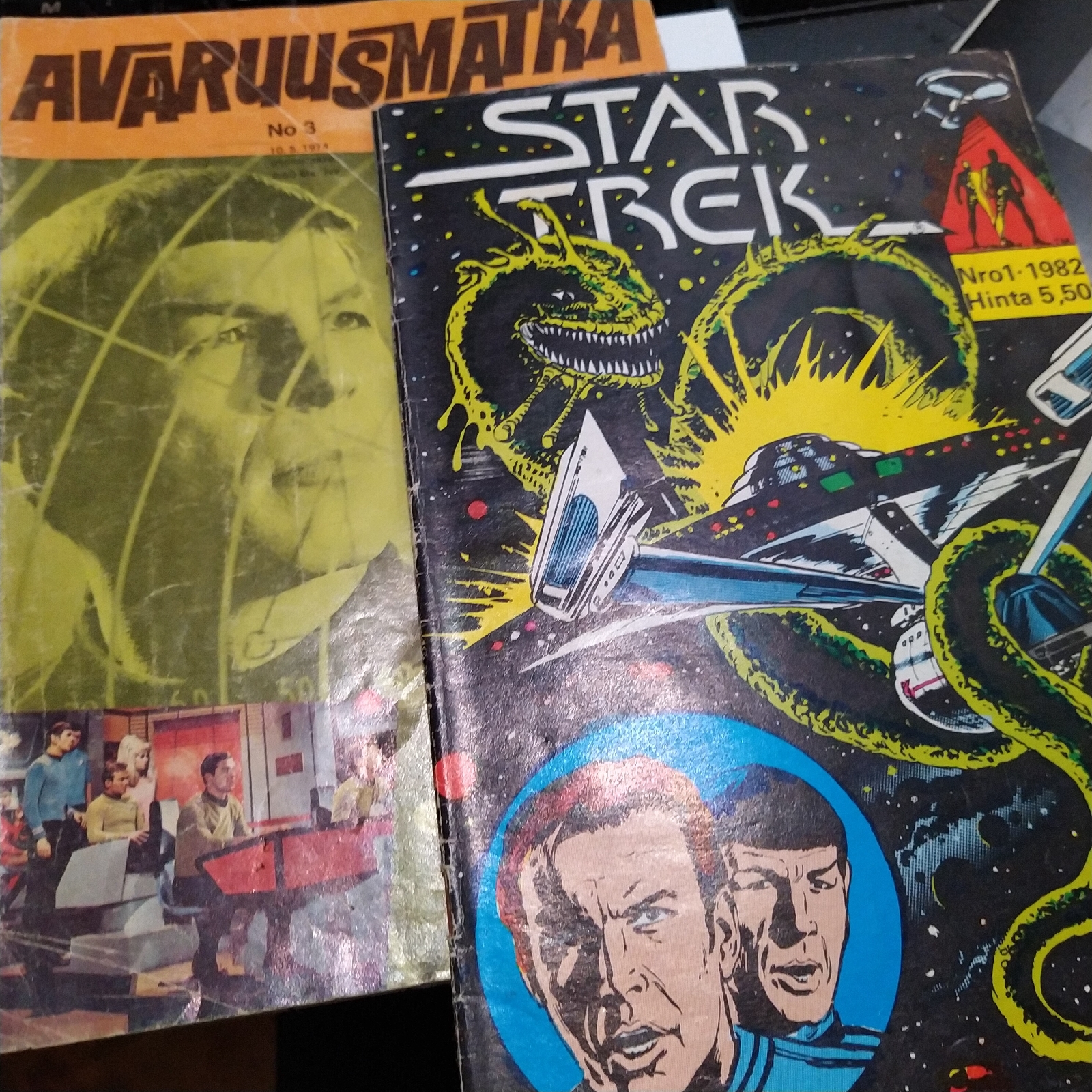
- strong contrast
character contrast - "opposites"
- strong contrast
character contrast - "opposites"

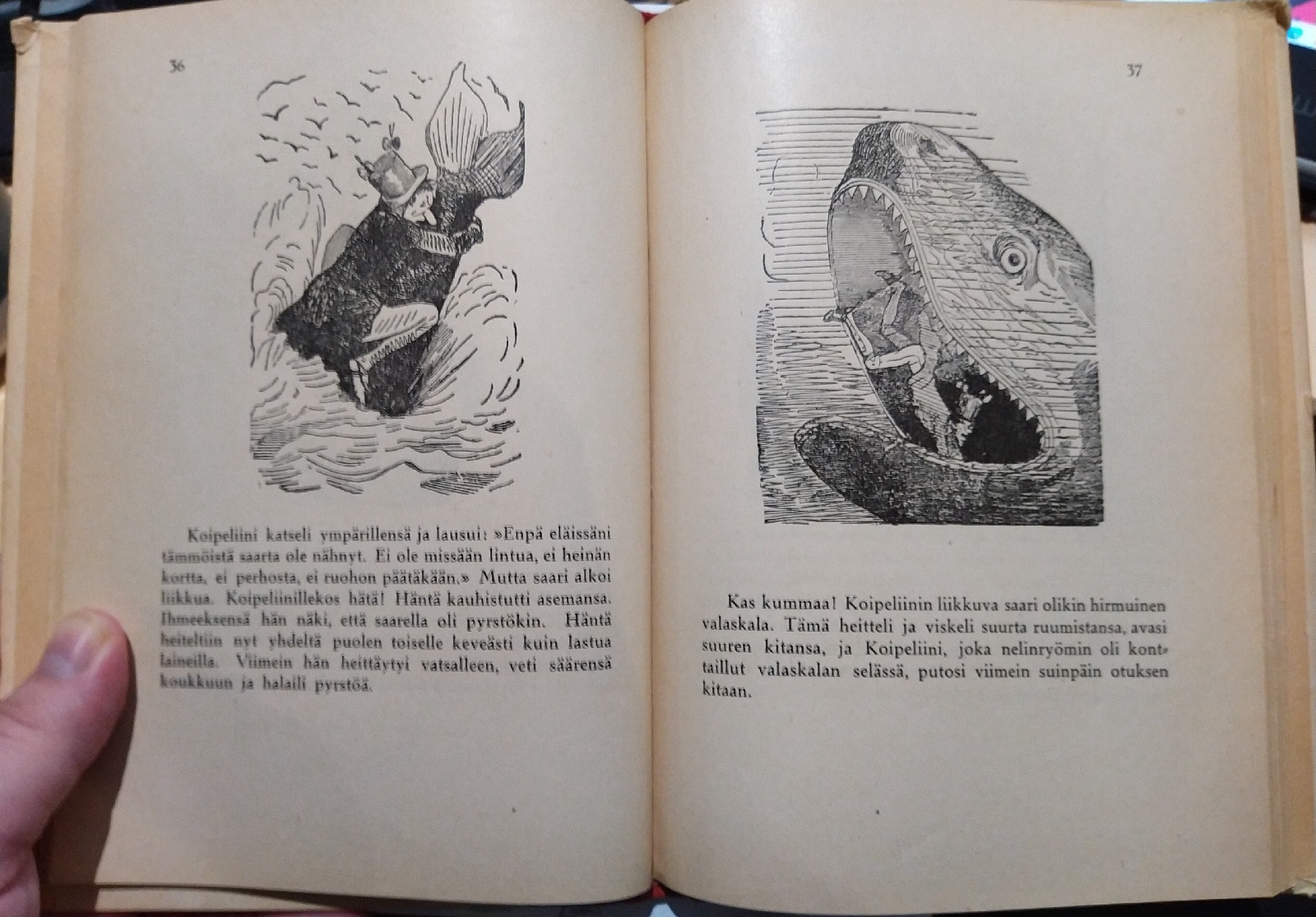
"Rodolphe Töpffer: 31 January 1799 – 8 June 1846) was a Swiss teacher, author, painter, cartoonist, and caricaturist. He is best known for his illustrated books (littérature en estampes, "graphic literature"), which are possibly the earliest European comics. He is known as the father of comic strips and has been credited as the "first comics artist in history." - WIKI



Conceptual Mix:
Physical Attributes:
Draw inspiration from the robust and hardy physique of Karelian hunters, possibly integrating some aspects of Norn's stature from Guild Wars for a more imposing appearance.
Skills and Techniques:
Combine the hunting prowess and traditional techniques of Karelian hunters with the advanced technology and tactical skills of the Yautja (Predators).
Cultural and Ritualistic Aspects:
Infuse the deep cultural connection to hunting and nature from Karelian tradition with the honor-bound hunting rituals of the Yautja.
Technology and Weaponry:
Equip your character with a mix of traditional hunting tools like bows and traps, enhanced with advanced alien technology akin to the Yautja's plasma casters or Hirogen's energy weapons.
Environment and Habitat:
Place your character in a diverse environment, perhaps akin to the varied landscapes of Monster Hunter, where they navigate dense forests, icy tundras, and volcanic regions.
Motivation and Goals:
Blend the Karelian hunter’s quest for survival and cultural heritage with the Yautja's pursuit of honorable prey and the Hirogen's exploration and conquest motives from Star Trek.
Example Character Profile:
Name: Vakki Kormine
Background: Born of a secluded sect of Karelian hunters renowned for their mystical connection to the wilderness. Vakki’s tribe encountered remnants of an ancient alien race, adopting their advanced hunting technology and traditions.
Attributes:
Physical: Tall and muscular, bearing the endurance and strength of both Karelian and Norn ancestry.
Skills: Master of both traditional Karelian hunting methods and advanced alien weaponry, trained in tracking, stealth, and close combat.
Equipment:
Weapons: Dual plasma-infused blades for close combat, a wrist-mounted energy bow for ranged attacks.
Armor: Lightweight yet durable, incorporating elements of both natural hide and advanced alien alloys.
Motivation: To protect his homeland from encroaching threats while seeking worthy adversaries across diverse realms, honoring both his Karelian heritage and the honor codes of the alien race his tribe encountered.
This fusion allows for a character rich in depth, drawing from diverse cultural and technological influences, while retaining a unique identity rooted in the essence of hunting and survival.
ChatGPT
Karelian Hunters
Origin and Context:
Origin:
Cultural Context: Karelians are an ethnic group from the Karelian Isthmus and regions around Lake Ladoga and Lake Onega, in modern-day Finland and Russia.
Hunting Tradition: Karelian hunters have a long tradition of hunting as part of their cultural heritage, utilizing knowledge passed down through generations.
Lifestyle and Practices:
Environment: They hunt in boreal forests and marshlands, relying on intimate knowledge of the local wildlife and terrain.
Tools and Methods: Traditional tools include bows, traps, and later firearms. They also use trained dogs for hunting.
Game: Typical game includes deer, moose, bear, rabbits, squirrels and various birds.
Cultural Significance:
Hunting is an essential aspect of the Karelian way of life, contributing to their diet, economy, and cultural traditions.
Hirogen (Star Trek)
Origin and Context:
Origin:
Fictional Context: The Hirogen are a fictional alien species in the "Star Trek: Voyager" series, known for their obsession with hunting.
Science Fiction Universe: They are depicted as nomadic and spread across vast areas of space.
Lifestyle and Practices:
Environment: Hirogen are space-faring and hunt across different planets and star systems.
Tools and Methods: They use advanced technology, including energy weapons, starships, and tracking devices. Their hunting practices are ritualistic and often brutal.
Game: They hunt a variety of species, including sentient beings, seeing the hunt as a way to prove their superiority and strength.
Cultural Significance:
Hunting is central to Hirogen culture, with a focus on the pursuit of prey as a means to achieve honor and prestige within their society. They collect trophies from their hunts, similar to the Yautja from the "Predator" franchise.
Key Differences
Origin and Context:
Karelian Hunters: Real-world ethnic group with cultural and historical significance.
Hirogen: Fictional alien species from the "Star Trek" universe.
Environment:
Karelian Hunters: Hunt in the natural landscapes of Northern Europe.
Hirogen: Hunt across various planets and star systems, adapting to diverse environments.
Technology and Methods:
Karelian Hunters: Use traditional and modern terrestrial tools such as bows, traps, and firearms.
Hirogen: Employ advanced alien technology, including energy weapons and starships.
Purpose and Motivation:
Karelian Hunters: Hunt primarily for food, tradition, and livelihood.
Hirogen: Hunt for sport, honor, and to prove their superiority, often targeting sentient beings.
Cultural Significance:
Karelian Hunters: Hunting is integrated into their way of life, with a deep connection to the natural environment.
Hirogen: Hunting is a central and all-consuming part of their culture, driving their societal structure and interactions with other species.
Summary
Karelian hunters and Hirogen share a fundamental emphasis on hunting, but their contexts, technologies, motivations, and cultural significances differ greatly. Karelians are rooted in real-world traditions and practices, while Hirogen are a fictional representation of an extreme hunting culture in the "Star Trek" universe.
Overlaps
Hunting as a Central Activity:
Both Karelian hunters and the Hirogen place significant emphasis on hunting. For Karelians, it is a means of s ustenance and cultural practice. For the Hirogen, it is the core of their identity and societal structure.
Skill and Knowledge:
Both groups require extensive knowledge of their environment and prey. Karelians need to understand local wildlife behavior and terrain. Hirogen must learn about various species and environments across different planets.
Use of Tools and Techniques:
While the tools differ greatly in sophistication, both rely on specialized equipment. Karelians use traditional and modern terrestrial tools. The Hirogen use advanced technology and weapons.
Tradition and Culture:
Hunting is deeply embedded in the traditions and culture of both groups. Karelians pass down hunting techniques and knowledge through generations. The Hirogen follow a code of honor and ritual in their hunts.
Distinctions
Origin and Context:
Karelian Hunters: Real-world ethnic group from Finland and Russia with a rich cultural heritage.
Hirogen: Fictional alien species from the "Star Trek: Voyager" series.
Environment:
Karelian Hunters: Hunt in the boreal forests and marshlands of Northern Europe.
Hirogen: Hunt across various planets and star systems, adapting to diverse and often hostile environments.
Technology and Methods:
Karelian Hunters: Use traditional tools like bows and traps, and modern firearms.
Hirogen: Employ advanced alien technology, including energy weapons, starships, and tracking devices.
Purpose and Motivation:
Karelian Hunters: Primarily hunt for food, tradition, and livelihood.
Hirogen: Hunt for sport, honor, and to prove their superiority, often targeting sentient beings as the ultimate prey.
Cultural Significance:
Karelian Hunters: Hunting is part of their way of life, with a connection to the natural environment and their cultural heritage.
Hirogen: Hunting is an all-consuming aspect of their culture, driving their societal structure and interactions with other species. It is seen as the highest form of achievement and honor.
Summary
While both Karelian hunters and the Hirogen share a fundamental emphasis on hunting, their contexts, technologies, purposes, and cultural significances are vastly different. The Karelians are rooted in real-world traditions and practices, whereas the Hirogen represent an extreme and fictional depiction of a hunting-centric culture in the "Star Trek" universe.
Comparing a Karelian hunter with a Monster Hunter from Capcom's popular video game series involves examining distinct roles, skills, and cultural contexts from reality and a fantasy gaming world. Here's a detailed comparison between the two:
Karelian Hunter
To transform the traditional Karelian hunter into a modern pop culture character type, we can blend the essence of their historical skills and cultural background with contemporary elements and themes popular in modern media. Let's create a character who embodies the rugged survivalist skills and deep connection to nature of the Karelian hunter, but with a modern twist that makes them appealing and relevant to today's audience.
Character Concept: Arctic Shadow
Background:
Arctic Shadow, whose real name is Kormi Jahtalaine, hails from the remote, forested region of Karelia. Growing up, he was trained in the traditional ways of hunting and survival by his family, inheriting generations of knowledge about the natural world. However, Kormi is not just a product of his heritage; he has embraced modern technology and skills, becoming a formidable figure in both urban and wild environments.
Appearance:
Kormi stands tall and athletic, with sharp, piercing eyes that seem to see everything. he wears a blend of traditional hunting attire and high-tech gear. his outfit includes camouflaged, weather-resistant clothing with thermal lining, and a utility belt packed with modern gadgets and traditional tools. he often sports a hooded cloak made from local animal fur, blending seamlessly into his surroundings.
Skills and Abilities:
Modern Twist:
Personality:
Kormi is stoic and deeply connected to his roots, but he has a strong sense of justice. his quiet demeanor hides a fierce determination and a willingness to stand up against overwhelming odds. Though he works alone, he has allies among environmental activists, indigenous communities, and even some rogue tech experts who share his goals.
Story Arc:
Adaptation to Media:
By blending traditional elements with modern themes, Arctic Shadow becomes a compelling character who resonates with contemporary audiences while honoring the legacy of the Karelian hunter.
I'm trying to think of a Karelian pop-culture character type
Karelian Hunter
Comparing a Karelian hunter and a Yautja (also known as a Predator from the science fiction franchise) involves examining vastly different roles from reality and fictional sci-fi. Here's a detailed comparison between the two:
Yautja (Predator)In summary, Karelian hunters and Yautja (Predators) represent two vastly different archetypes: the former as subsistence providers adept in traditional hunting and survival within the natural world, and the latter as advanced extraterrestrial warriors who hunt for sport and honor across the galaxy using sophisticated technology.
-----
Comparing a Karelian hunter and a Norn from the Guild Wars franchise involves examining distinct roles, lifestyles, and cultural contexts from reality and fictional fantasy. Here's a detailed comparison between the two:
Norn (Guild Wars)
In summary, Karelian hunters and Norn from Guild Wars represent two distinct archetypes: the former as subsistence providers adept in traditional hunting and survival within the natural world, and the latter as fictional heroic beings who hunt and perform great deeds for personal glory and honor within a fantasy setting.
note: karelians were shamanic people before Christianity, and the Kalevala (aka. "The Land of the Heroes") is mostly based on karelians' runes that Lönnrot translated to finnish and applied however he wanted - and in norse myth karelians were Kári the Wind-Giant's descendants.